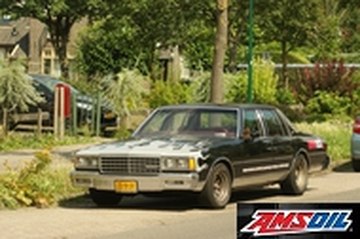
Engine Oil Maintenance for the 1983 Chevrolet Caprice 3.8L
Maintaining the lubrication system is one of the most critical aspects of long-term engine health. For owners of a 1983 Chevrolet Caprice equipped with the 3.8L engine, understanding which components are listed for your specific application ensures that you can perform routine service effectively.
What oil filter is listed for my 1983 Chevrolet CAPRICE 3.8L?
The following oil filters are listed for this vehicle: the EA15K29-EA from AMSOIL Ea Oil Filters and the 51040-EA from WIX Oil Filter.
Understanding Engine Oil Viscosity
Viscosity refers to a fluid's resistance to flow. In an internal combustion engine, the oil must be thin enough to circulate quickly during a cold start but thick enough to maintain a protective film between moving metal parts once the engine reaches operating temperature. For this specific 1983 Chevrolet Caprice 3.8L application, the database allows for 10W-30 viscosity.
Using the correct viscosity helps ensure that oil reaches critical components like camshafts, lifters, and bearings in a timely manner. When selecting oil, always refer to the manufacturer's recommendations found in your owner's manual to ensure the fluid meets the intended performance standards for your engine's design.
The Role of the Oil Filter
An oil filter is designed to capture contaminants such as microscopic metal shavings, carbon deposits, and dust that inevitably enter the lubrication system. If a filter becomes clogged or fails, these particles can circulate through the engine, causing premature wear on internal components.
When performing an oil change, it is standard practice to replace the filter at the same time as the oil. This prevents old, dirty fluid from being mixed with fresh oil and ensures that the new lubricant begins its service life in a clean environment. Always ensure the filter is seated correctly and tightened according to standard mechanical practices to prevent leaks.
Monitoring Oil Levels and Condition
Regularly checking the engine oil level is a fundamental maintenance task. A low oil level can lead to increased friction, overheating, and potential engine damage due to insufficient lubrication. Checking the dipstick while the vehicle is on level ground and the engine is cool (or following the specific procedure in your manual) provides an accurate reading of the current volume.
Beyond just the quantity, the condition of the oil is a vital indicator of engine health. Oil that appears excessively dark, gritty, or smells burnt may indicate that the fluid has broken down or that there is an issue within the engine itself. Consistent monitoring allows you to identify potential problems before they escalate into major mechanical failures.
Identifying Potential Leaks
Oil leaks can stem from various points, including the oil pan gasket, valve cover gaskets, or the oil filter mounting area. Even a slow drip can lead to a gradual loss of lubrication and create environmental hazards or fire risks if oil contacts hot exhaust components.
If you notice dark spots on your driveway or smell burning oil while driving, it is important to inspect the engine bay. Cleaning the engine area can sometimes help in locating the source of a leak by making it easier to see where fresh oil is seeping from. Addressing small leaks early can prevent significant oil loss and protect other engine components.
General Lubrication Best Practices
To maintain the longevity of your 3.8L engine, follow the manufacturer's maintenance schedule for service intervals. While specific mileage or time frames vary based on driving conditions—such as frequent short trips, extreme temperatures, or heavy towing—the owner's manual remains the definitive source for when to perform oil and filter changes.
Maintaining a clean engine environment also helps prevent debris from entering the lubrication system through breathers or seals. A well-maintained lubrication system is the foundation of engine reliability and helps manage the heat generated during combustion processes.
What transmission fluid is listed for my 1983 Chevrolet CAPRICE 3.8L?
The following fluids are listed for this vehicle:
- ATLPK-EA — Signature Series Fuel-Efficient Synthetic Automatic Transmission Fluid
- OTLQT-EA — OE Fuel-Efficient Synthetic Automatic Transmission Fluid
BUYING ENGINE OIL
When you are ready to purchase supplies, look for oil that meets the requirements specified for your vehicle. Check the labels on the containers to ensure they align with the viscosity needs of your 1983 Chevrolet Caprice. It is helpful to have your vehicle information ready when visiting an auto parts retailer to ensure you select the correct products for your specific engine configuration.